
Jama Corporation, Kanpur: 200 kW rooftop
Verde Solaire installed a 200 kW rooftop solar plant at Jama Corporation's factory in Kanpur, Uttar Pradesh, using 598 Waaree polycrystalline modules of 335 Wp and three Delta 70 kW string inverters. The company's published case study gives an annual energy yield of 289,345 kWh and a saving of about ₹7.35 per unit against the factory's grid tariff.
The plant is grid connected through a zero-export device, because Uttar Pradesh did not offer net metering for this connection when the plant was built. This case study brings together Verde Solaire's 5 March 2023 project update and the customer's review, with the confirmed specification and operating approach.
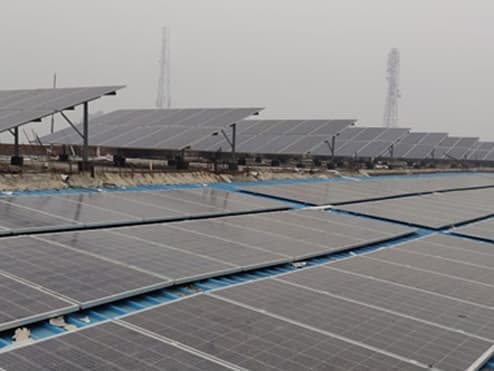
The system as published
| Item | Published figure |
|---|---|
| Owner | Jama Corporation |
| Location | Kanpur, Uttar Pradesh |
| Rated system power | 200 kW |
| Modules | 598 × 335 Wp Waaree polycrystalline |
| Inverters | Delta 70 kW string inverters, three units |
| Roof area covered | 19,000 sq ft |
| Connection | Grid connected with a zero-export device |
| Annual energy yield | 289,345 kWh |
| Saving per unit | about ₹7.35 |
| CO2 avoided | about 292 metric tonnes a year |
The yield works out to roughly 1,447 kWh per kW a year, which sits close to the planning figures Verde Solaire uses for commercial roofs in Noida and Delhi. The case study notes that the per-unit saving will rise as the electricity tariff rises each year, and that the system has an average life cycle of 25 years.
Why a zero-export device
A zero-export device measures the factory's load and holds the inverters' output at or below it, so no solar power flows out to the grid. That was the only way to connect this plant at the time: the case study records that a zero-export device was installed "as U.P. does not have net metering". On 13 May 2023 Verde Solaire posted that Uttar Pradesh had approved a net feed-in process for rooftop solar projects, so a factory connecting today faces a different set of rules. The current position for Noida, Ghaziabad and Varanasi connections is on the net-metering guide.
For a factory that runs through the day, the zero-export limit costs little: most of what the roof produces is used on site as it is generated. The saving comes from units not bought, not from units sold.
DG sync
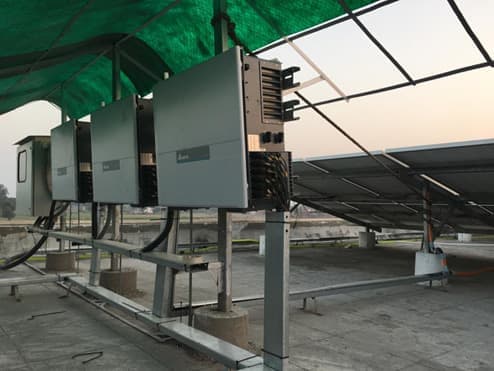
Factories in Uttar Pradesh run diesel generators through outages. A standard on-grid inverter shuts down when the grid drops, which would leave the solar plant idle for exactly the hours when power is most expensive. DG synchronisation lets the inverters run alongside the generators and hold the solar contribution within a safe share of the load. Jama Corporation's plant was built with it. Rajiv Jalan, writing about the 200 kW system at the company's Kanpur factory, put it this way:
"This solar plant was installed with DG sync and we are able to save hugely on our electricity bills. The services and quality used by Verde is very good and we are very happy with this company."
Rajiv Jalan
What this project shows
This is one of the two case studies Verde Solaire has published in full; the other is the 110 kW plant at Marwar Carpets, Panipat, built with Vikram modules and Schneider inverters. Together they cover the two ways a factory roof can be connected: with export to the grid, and without.
If you run a factory or warehouse, the commercial and industrial page explains how a plant of this size is sized, connected and paid for, and the commercial payback calculator takes your own tariff and load. Referrals of factory, commercial and institutional sites of 50 kW minimum for factory, commercial and institutional referrals (pan-India) qualify for the referral programme.
Questions people ask
Start with a clear plan for your savings
Get a free roof assessment and a written quote for branded equipment. We will also explain the loan, installation, net-metering and subsidy steps.